Gaming SVG Design Review: Real Embroidery Insights
As a designer who has spent countless hours digitizing and stitching out files for clients, I have learned that not every digital asset translates well to thread. When I first opened the Gaming Svg Design, Gaming T-Shirt file, my initial reaction was cautious optimism. The visual lines were clean, and the theme was immediately recognizable, which is crucial in the crowded market of gamer merchandise. However, seeing a graphic on a screen is vastly different from watching a needle punch through fabric. This review breaks down how this specific design performs in real-world embroidery scenarios, moving beyond the pixel-perfect preview to the tactile reality of a finished product.
First Impressions and Visual Personality
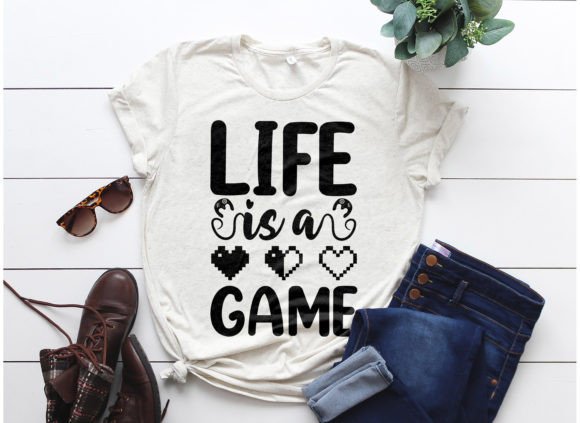
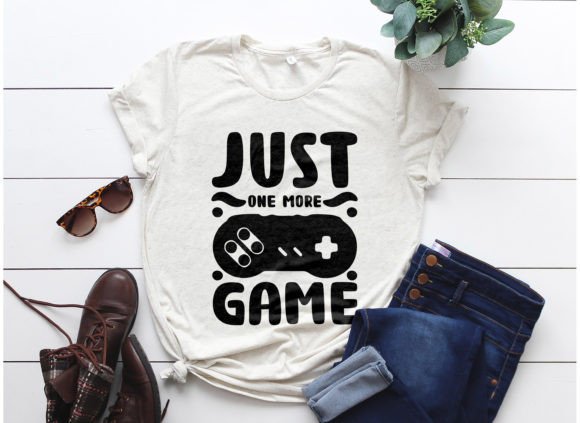
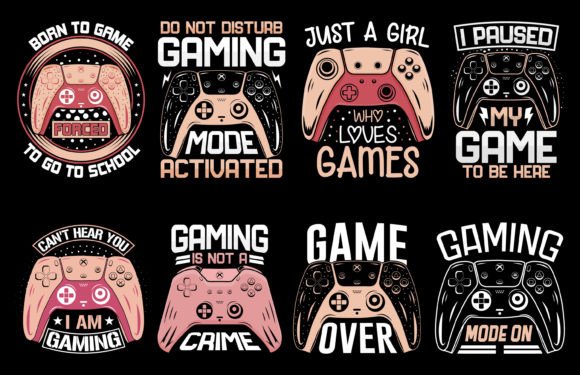
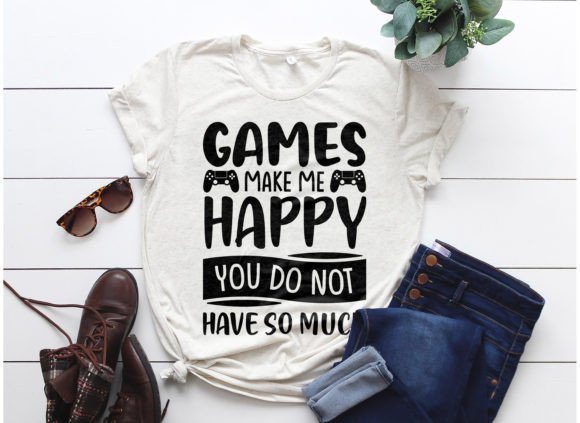
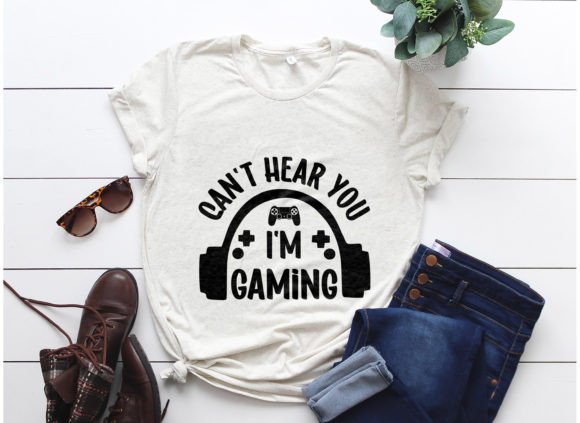
The mood of this design is energetic and bold, fitting perfectly within the Crafts and Graphics categories where high-impact visuals drive sales. For an embroidery project, the layout suggests a focus on clarity. The shapes are distinct, avoiding the muddy look that often plagues overly complex gaming icons when reduced in size. As a reviewer, I look for visual personality that survives the translation from vector to stitch. This design offers a strong silhouette, which is the foundation of any successful embroidered item. It does not rely on subtle gradients or tiny details that might get lost, making it a strong candidate for both beginners and seasoned professionals looking for reliable assets.
Real-World Application: The Custom Sweatshirt Test
To truly evaluate the Gaming Svg Design, Gaming T-Shirt, I imagined a common client request: a custom sweatshirt for a local e-sports team. In this scenario, the design needs to be visible from a distance yet detailed enough to show quality up close. When applied to a medium-weight cotton blend, the design’s structure holds up well. The open areas allow the fabric texture to breathe, preventing the garment from becoming stiff or board-like. This is a critical consideration for custom apparel intended for active use. If the stitch density were too high, the sweatshirt would lose its drape and comfort, but this design appears balanced for standard fill stitches.
Beyond apparel, this asset shines as a tote bag design. Gamers often carry peripherals, consoles, and accessories, making a sturdy canvas tote a practical gift. The bold lines of the design contrast beautifully against natural canvas, creating a handmade product that feels premium rather than mass-produced. For Etsy sellers, this versatility increases the perceived value of the listing, allowing you to market the same digital file across multiple product types without needing significant alterations.
Navigating Fabric and Hoop Constraints
While the design is robust, there are areas where caution is necessary. Embroidery is unforgiving on certain surfaces. If you plan to use this on a cap or curved surface, you must consider the distortion that occurs during stitching. The design’s width should be checked against your standard hoop size to ensure it fits without hitting the edges. For smaller items like a baby embroidery project or a delicate kitchen towel, scaling down the design might cause the finer elements to merge. Always test on scrap fabric first. What looks crisp at four inches may become a blob at two inches.
Fabric texture also plays a pivotal role. On fluffy fabrics like fleece or terry cloth, the background details might disappear. In such cases, using an applique technique could be a smart workaround, though this design seems optimized for direct stitching. For dark fabrics, ensure your thread colors have sufficient contrast. A satin stitch border might help define the edges if the fill stitch blends too much with the material. Remember, the goal is a clean finished product that maintains its integrity after washing.
Commercial Viability and Brand Consistency
For small business owners and craft entrepreneurs, consistency is key. Using a reliable machine embroidery design like this helps build brand trust. Customers associate clean stitching with professionalism. If you are selling personalized gifts or holiday embroidery items, the reliability of the source file matters. You do not want to spend hours troubleshooting a file that was not designed for stitching. This digital embroidery file appears to be created with an understanding of how threads lay down, reducing the risk of thread breaks or nesting.
When creating printable mockups for your online shop, this design offers excellent visual appeal. It photographs well because of its clear definition. Whether you are showcasing an embroidered patch or a full-front chest print, the design commands attention. This enhances buyer engagement and can lead to higher conversion rates for your small shop product listings. It serves as a strong example of how good design assets can elevate a simple item into a desirable commodity.
Practical Notes for the Embroiderer
Before committing to a large batch of commercial embroidery jobs, take these practical steps:
- Check Stabilizer Compatibility: Use a cut-away stabilizer for stretchy fabrics like t-shirts to prevent puckering. For woven fabrics like aprons, a tear-away may suffice.
- Test Thread Colors: Run a test stitch-out to see how your specific thread brands interact with the design. Some threads have more sheen, which can highlight or hide details.
- Verify Licensing: Since this is a digital product for printing Crafting, confirm the license terms. Ensure you are allowed to sell physical items made with this file if you are running an Etsy seller account or a boutique brand.
- Inspect Small Details: Zoom in on the digital file. Are there any tiny isolated stitches that might cause issues? If so, consider manually editing them out or merging them with larger shapes.
- Mockup in Black and White: Remove color from your digital preview to check for contrast issues. If the design loses its shape in grayscale, it may lack sufficient definition for single-color stitching.
Final Verdict on the Design Asset
The Gaming Svg Design, Gaming T-Shirt is a solid addition to any designer’s library. It bridges the gap between digital graphics and tangible crafts effectively. While it requires standard due diligence regarding hoop size and fabric choice, its core structure is sound. It is particularly well-suited for sweatshirt embroidery, tote bags, and patches where bold imagery is preferred over intricate delicacy. For hobbyists and makers, it offers a straightforward path to a professional-looking result. For commercial users, it provides a reliable base for creating high-value handmade products. By respecting the limitations of the medium and preparing properly, you can turn this digital file into a standout piece of wearable art.